
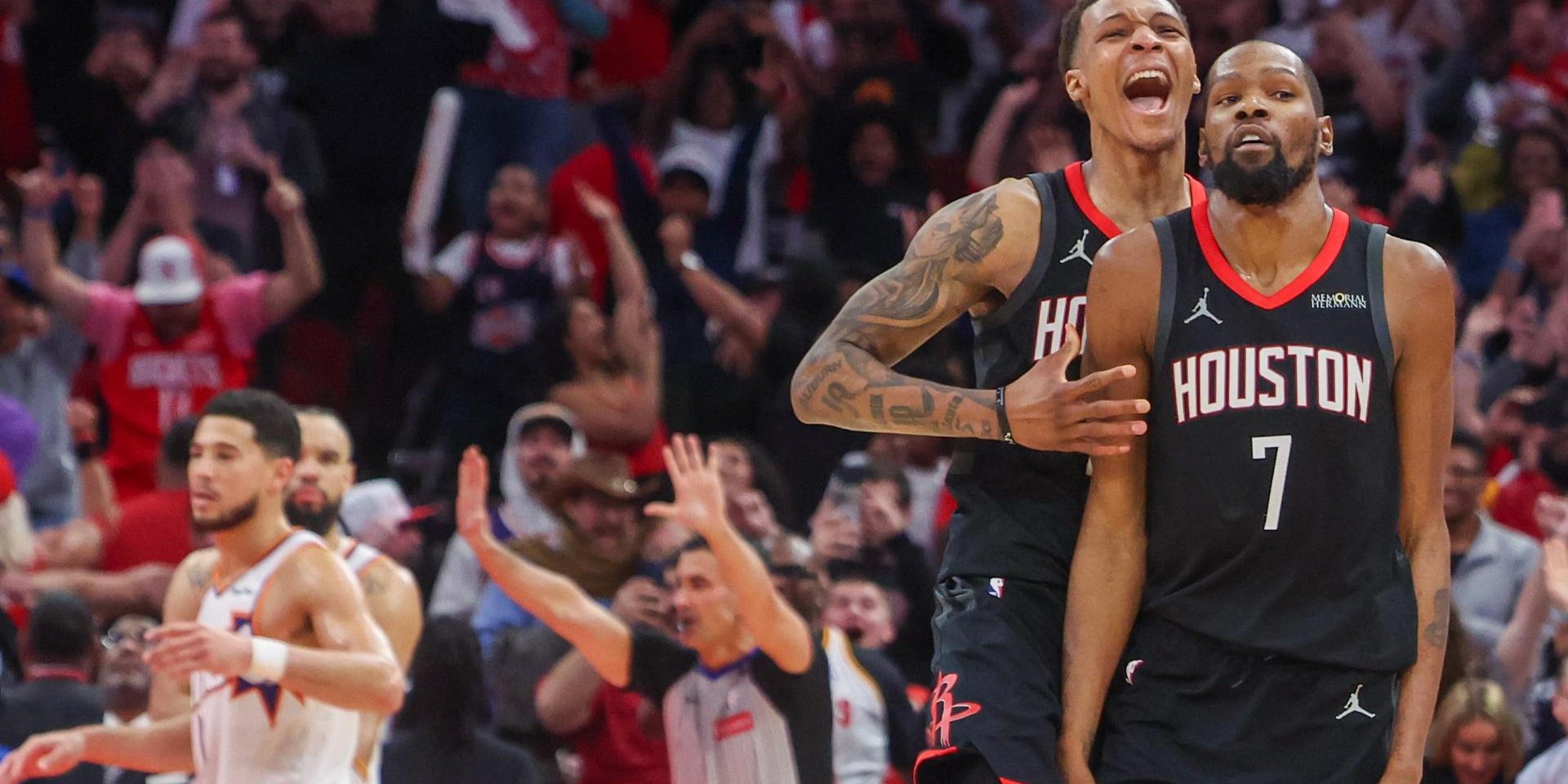
There are two kinds of emotions that come with game-winning shots.
The first is pure math: a good situation, the right shot, the game is closed out.
The second is when an entire story gets packed into a single motion: expectations, disappointment, other people’s decisions, and your own personal memory.
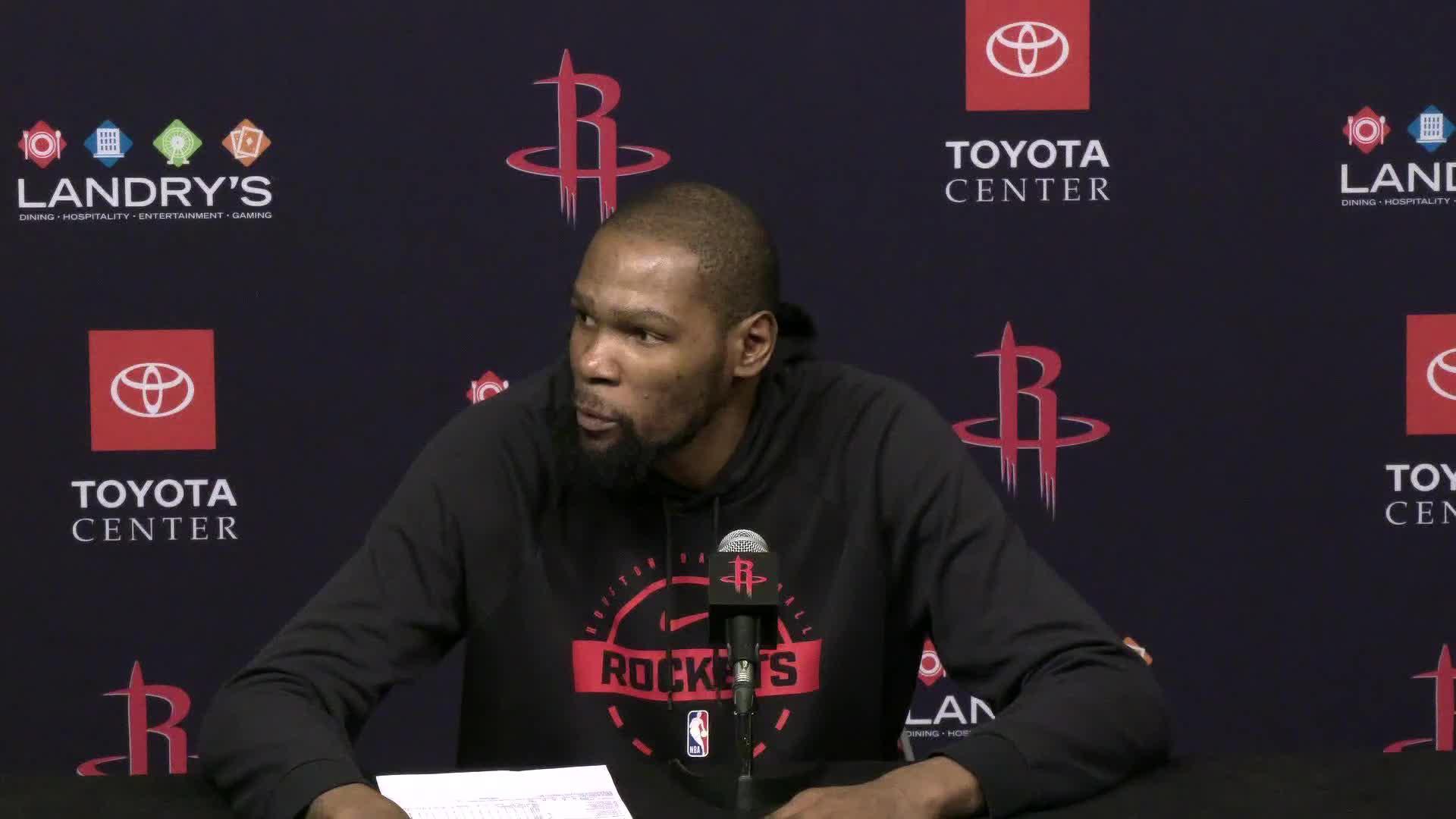
Kevin Durant’s clutch moment tonight belongs to the second category.
“Houston” beat “Phoenix” 100–97, and the deciding sequence looked as cinematic as it gets: an inbounds from the sideline, a former teammate Royce O’Neale in front of him, two shifts, a rise… and a make with 1.1 seconds left. Clean. No chance for “what if.”
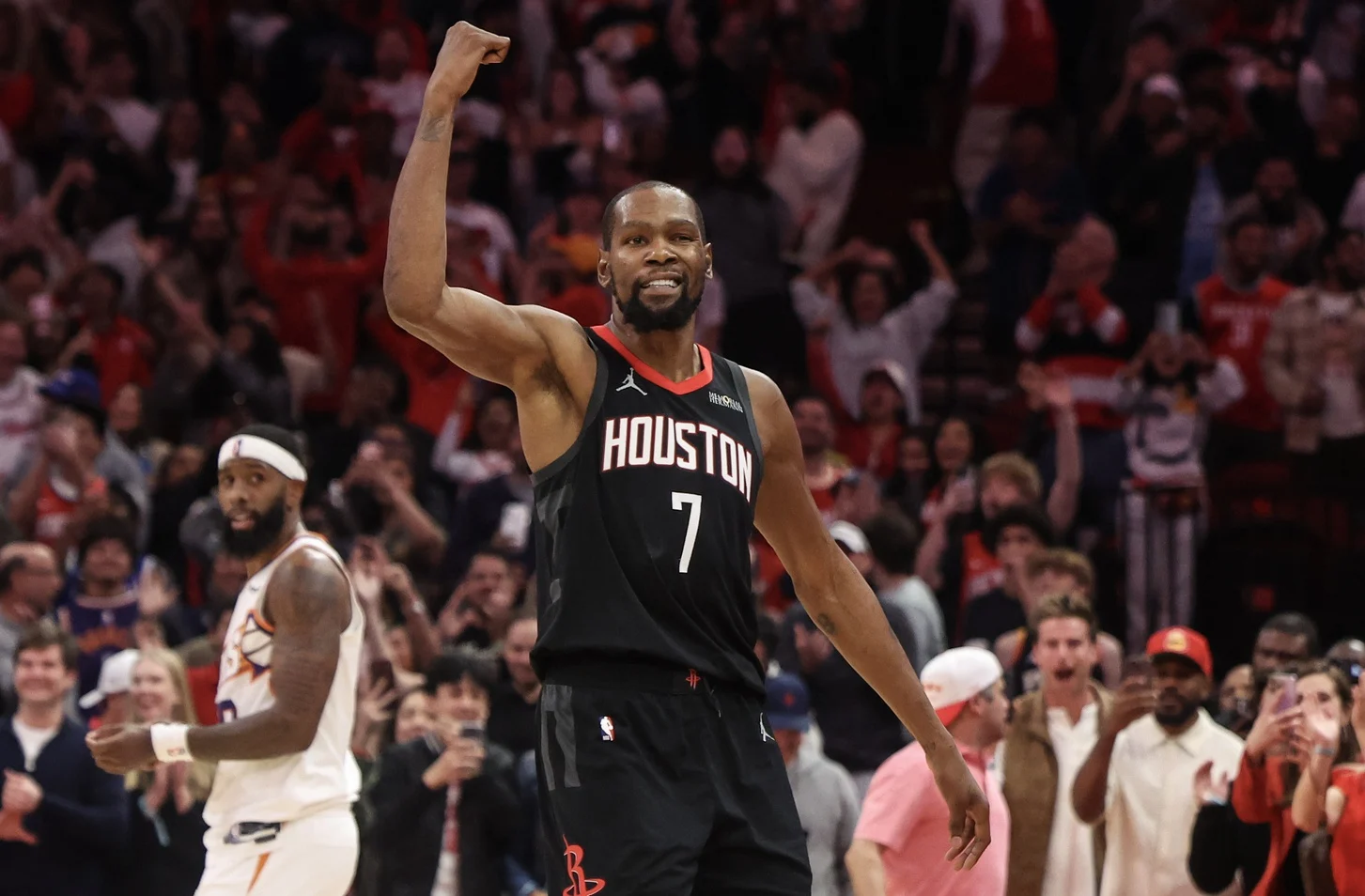
Why it felt like an “answer,” not just a highlight
After the game, Durant—usually pretty careful with his public wording—said out loud what athletes more often keep inside:
He didn’t want to leave.
And yes, in his mind it wasn’t “just business,” but the kind of moment when you’re shown the door—and then conveniently made the symbol of everything that went wrong with the project.
He openly admitted that beating a former team in this kind of fashion feels special. Not out of spite toward the players, but because the organization’s decision—and the reaction around it—hurt.
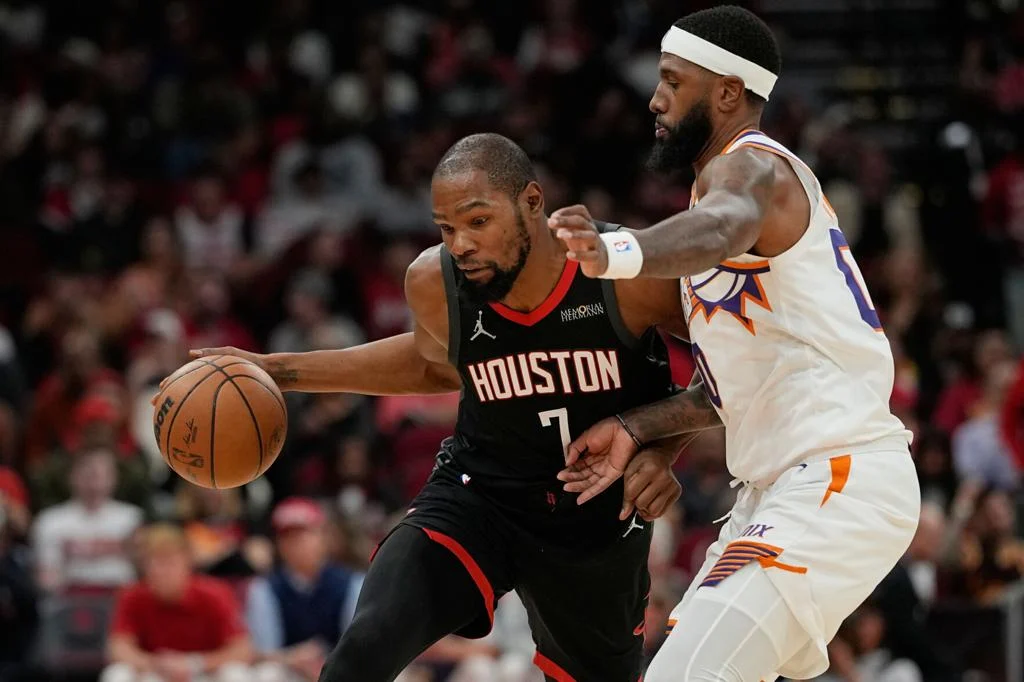
The context that makes the ending hit harder
Durant spent 2.5 seasons with the “Suns” after a blockbuster trade. There were strong stretches, status, and All-Star Games. But the outcome turned out painful: the title push never came together, and in the last season a team with marquee names on the poster managed to miss even the play-in.
When that happens, people find someone to blame quickly. And very often the blame falls on the easiest person to explain to the public: age, style, “not the right leader.” Durant understands exactly how that works.
In the summer of 2025, “Phoenix” hit “reset” and traded him to “Houston” (the package included, among others, Dillon Brooks, Jalen Green, and the 10th pick). Since then, games between these teams have turned into an unpleasant storyline for the “Suns”: in the 2025/26 season the “Rockets” took all three meetings, and the third one ended with this very finish.
At 37, he’s still closing games like this
You can argue all you want about “prime,” speed, and mileage. But there are facts that cut through the debate like a knife:
- they give you the ball for the final possession;
- everyone knows who’s going to take the shot;
- and he still makes it.
That’s the mark of the great. Not because he said something loud—but because he took it and did it.
And one more detail that adds maturity to the whole story: Durant specifically emphasized that he has no anger toward the “Suns” players—there’s more of a professional distance and respect. The resentment is toward the decisions and how quickly people stick a convenient label on you.